
Urbicide – USF/
أحداث / Mada al-Carmel holds a workshop on “Urbicide and ‘48 Palestinians” in Nazareth (July 2026)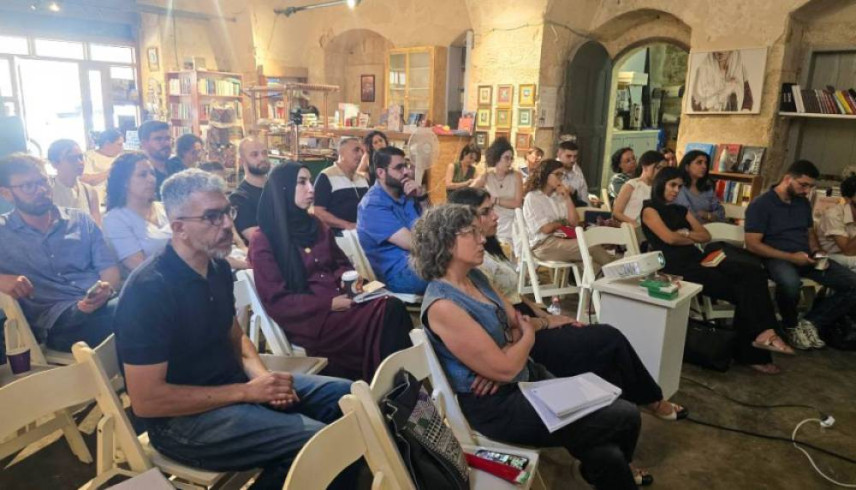


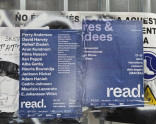
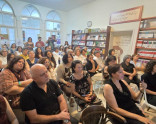
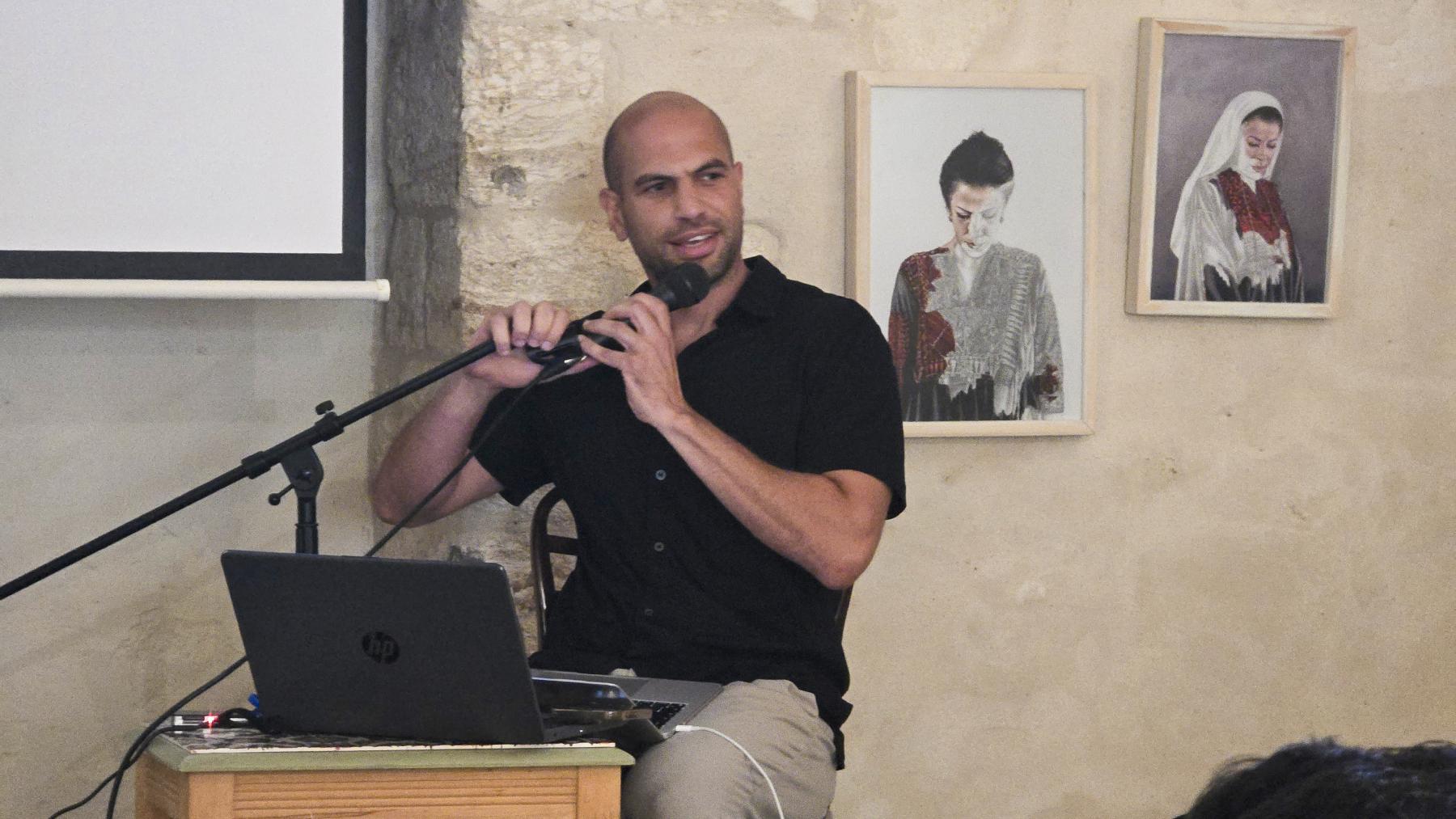
On July 17, 2026, Mada al-Carmel held a workshop entitled “Urbicide and ‘48 Palestinians” at the venue “Mai Bookstore and More” in Nazareth’s market, for a group of researchers from the fields of history, sociology, and urban planning.
The workshop was opened by Dr. Himmat Zoubi, a research fellow at Mada al-Carmel and the project’s director. Dr. Zoubi presented a theoretical framework, taking the ongoing urbicide in Gaza as a point of departure for rethinking concepts of spatial violence in the Palestinian context. She emphasized that the workshop did not seek to apply the concept of “urbicide” (the annihilation of the city / urban annihilation) to the Palestinian context, but rather to employ the Palestinian experience as a means of testing and rethinking this concept. She noted that the concepts of “urbicide,” “domicide” (the destruction of the home), and “de-urbanization” do not compete with each other, but instead can aid in understanding different stages and tools of spatial violence within the colonial trajectory extending from the Nakba to the present day. Zoubi proposed employing the term al-ibāda al-ʿumrāniyya as a more accurate rendering of “urbicide” than ibādat al-madīna (the annihilation of the city) or al-ibāda al-madīniyya (the annihilation of urbanity). Drawing on the linguistic and intellectual tradition of Ibn Khaldun, she argued that ʿumrān refers not simply to the city or urban life, but to the broader conditions that make collective human existence, stability, and organized habitation possible. This formulation therefore conceptualizes violence not merely as the destruction of buildings or urban life, but as the deliberate targeting of the material and social conditions that sustain collective life and enable its reproduction. For Zoubi, al-ibāda al-ʿumrāniyya thus provides a more adequate analytical framework for understanding the violence unfolding in Gaza today, where the destruction extends beyond the built environment to the very conditions of habitation, continuity, and the possibility of rebuilding social life.
Zoubi called for the workshop to serve as a space for rethinking the concepts of spatial violence based on the Palestinian context by posing a number of questions and points for contemplation, including: What truly constitutes the subject of violence in the Palestinian case? What is the most appropriate unit of analysis for understanding this violence: the city, the home, or the built environment as a precondition for social life? Can the term al-ibāda al-ʿumrāniyya (urbicide) also help explain policies that preclude the full development of the built environment? And to what extent do these concepts capture different moments along a single colonial trajectory stretching from the Nakba to Gaza today?
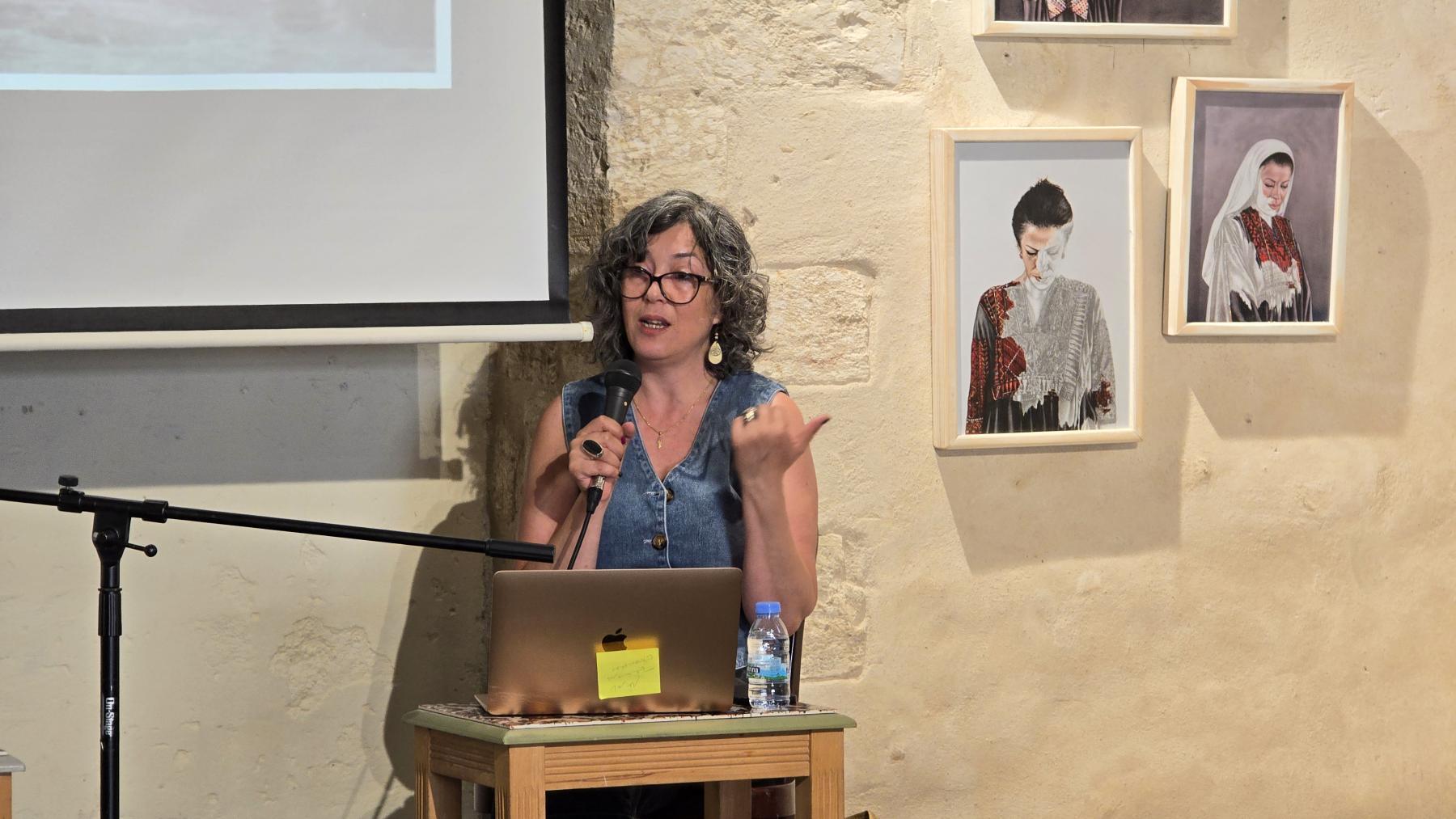
The first session, which Dr. Zoubi moderated and provided commentary on, was titled “Spatial Violence in Palestinian Cities: Colonial Planning and Transformations in the Urban Space.” During this session, Dr. Ahmad Mahmoud, a postdoctoral fellow at the Dan David Society of Fellows at Tel Aviv University, gave a presentation in which he addressed the 1934 Tiberias flood. He described the event as a revealing episode that sheds light on social and urban relations within the city during the British Mandate era, discussing how the catastrophe reconfigured power relations between local residents and the colonial authorities, and how the British administration used it to reshape the city’s urban space.
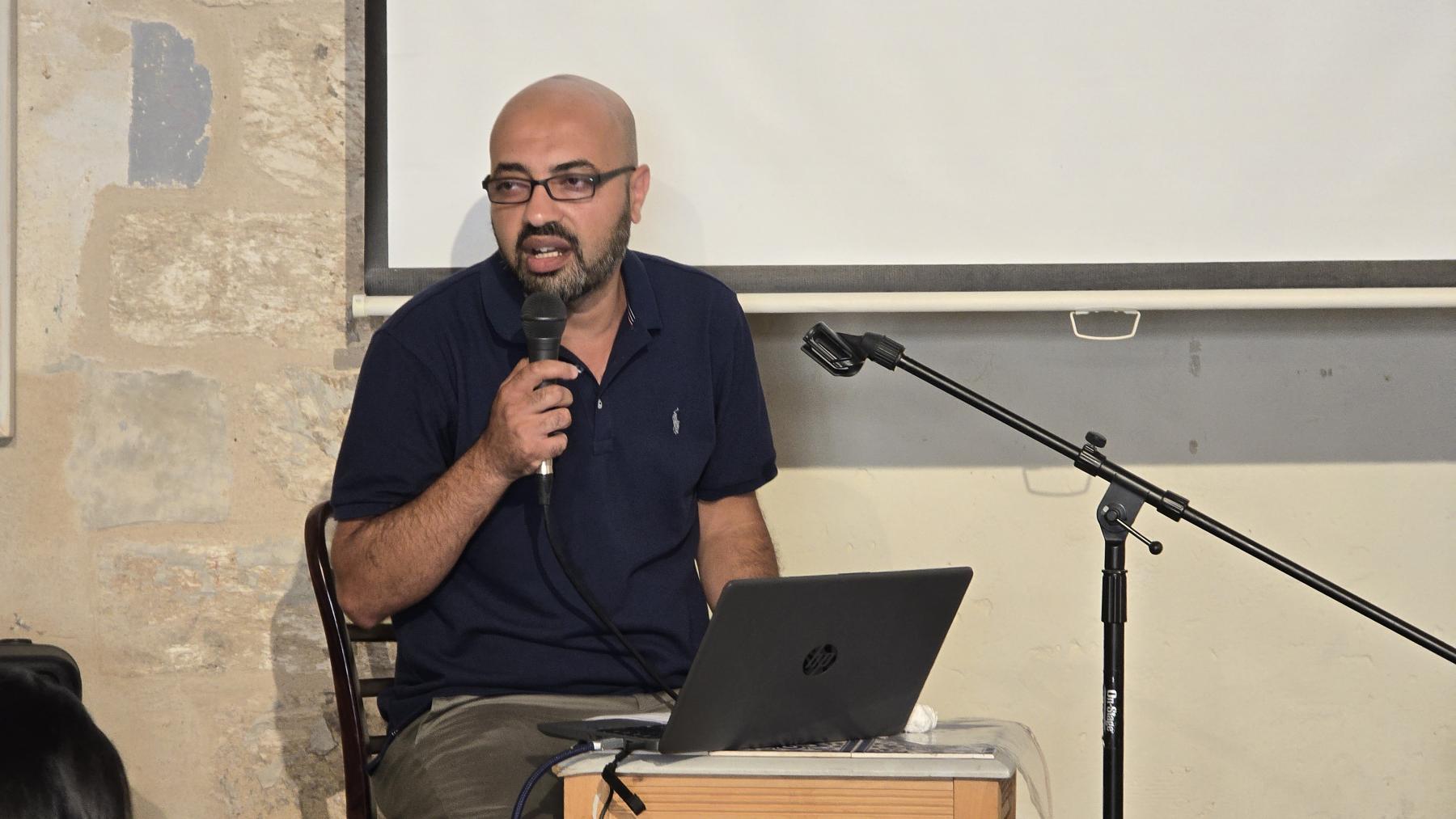
Next, Dr. Khaled Anabtawi, a researcher at Mada al-Carmel, gave a presentation on the relationship between settler colonial policies and the reproduction of sectarian divisions in the ‘48 Palestinian city of Shefa-‘Amr. He focused on the dialectical relationship between planning policies, the Palestinian elites, and the behaviors of local residents in both producing sectarian space and resisting its sectarianization, drawing on examples from political practice, the administration of public space, and the official education system.
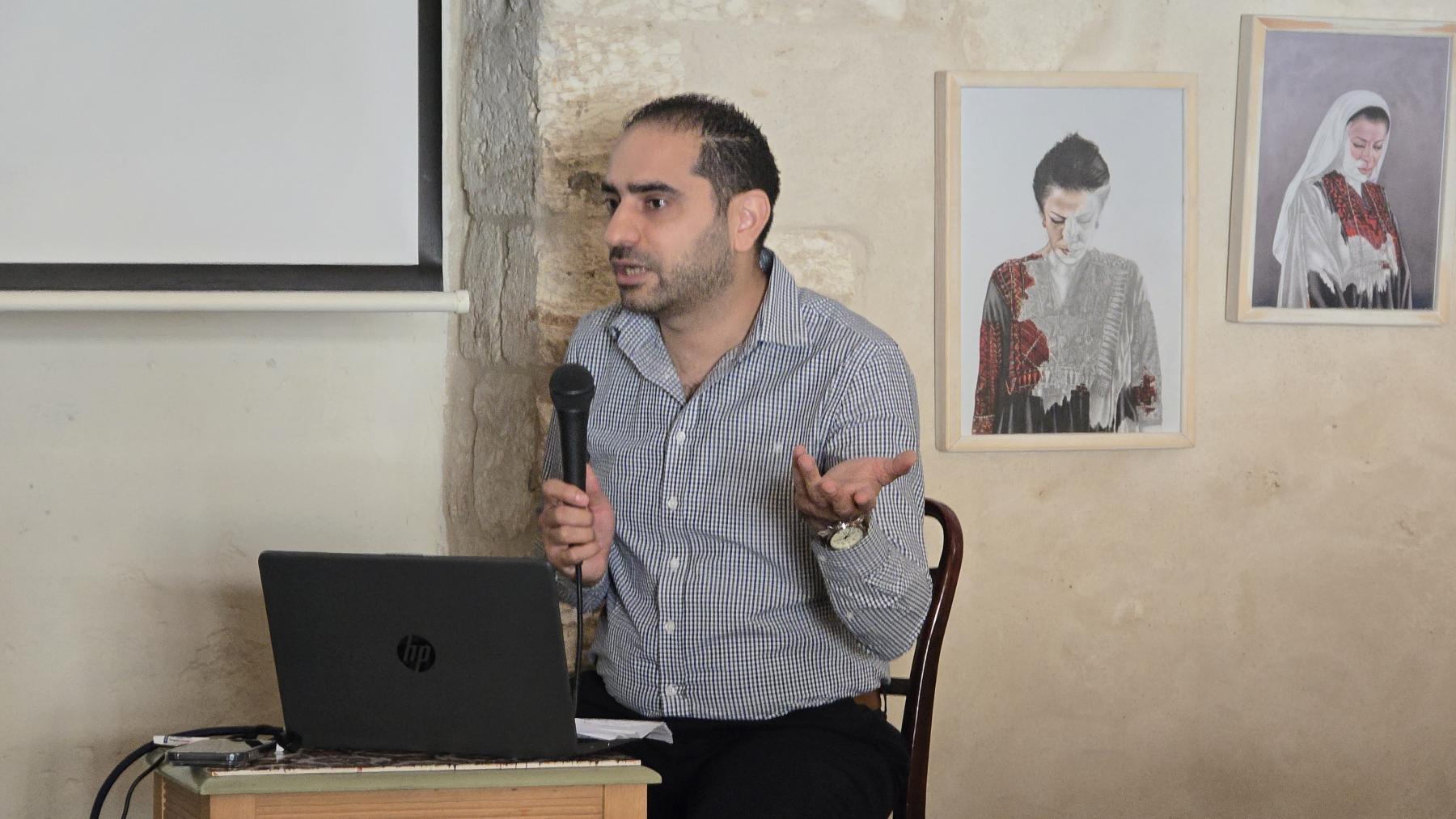
The second session was devoted to the subject of “Spatial Violence in Palestinian Cities after 1948: Demolition and Transformations in the Urban Space.” In his presentation, architect and urban planner Jool Farraj discussed Haifa’s Halisa neighborhood, construing its architectural and memory-based remains as an entry point for rewriting the history of Palestinian neighborhoods and as a resource with the capacity to activate memory and formulate an urban narrative that was displaced by urbicide.
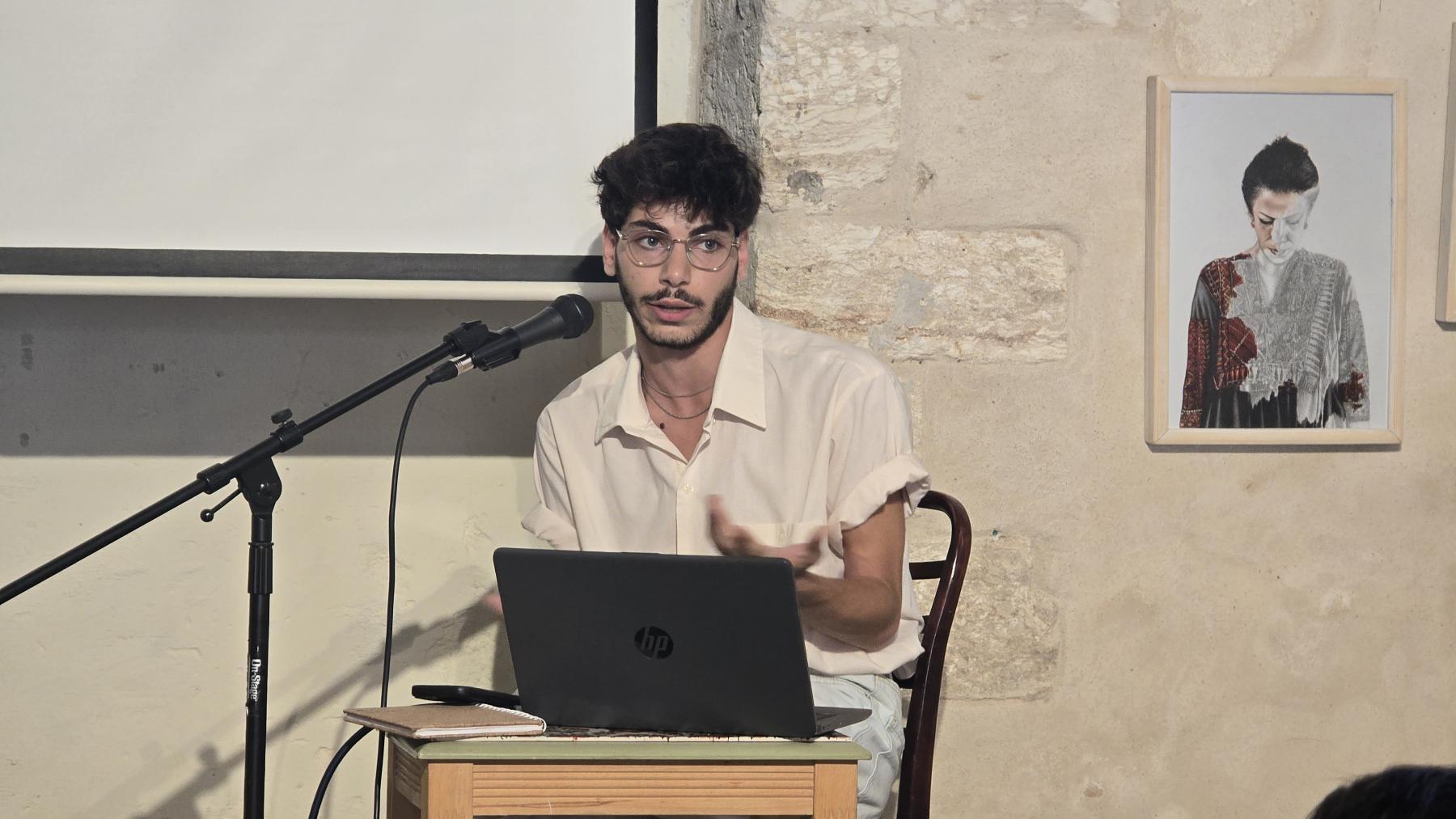
Dr. Tawfiq Da’adli, a lecturer in the Department of Islamic and Middle Eastern Studies at the Hebrew University of Jerusalem, discussed the city of al-Lydd as an illuminating case study of how post-Nakba urban planning has been employed to produce spatial inequality and erase the Palestinian presence. He considered the role of policies of demolition, redevelopment, and selective investment in re-ordering the urban space and entrenching ethnic and social disparities within the city. Architect and urban planner Lama Shehadeh moderated and commented on the session.
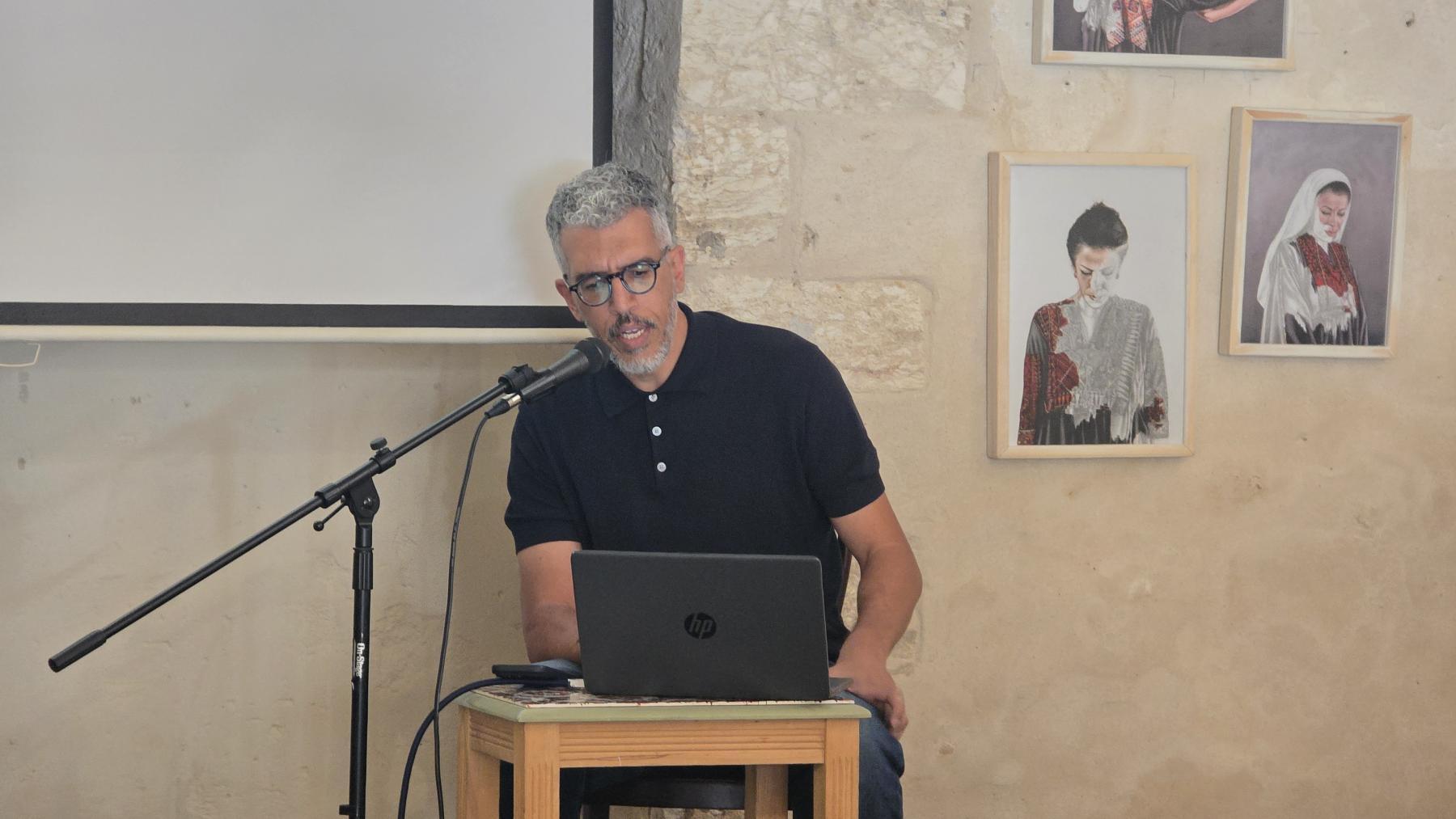
In the third session, titled “When Place Disappears: Between Urban Memory and Social Shifts,” Dr. Shihab Idris, a postdoctoral researcher at the French National Centre for Scientific Research (CNRS), gave a presentation on how chronic violence and settler colonialism reshape daily life within the family, amid the erosion of the role of the neighborhood as a space of protection, mutual oversight, childcare, and community solidarity. He further addressed the increasing shift of the responsibility for protection onto families, within political, spatial, and social conditions that render such protection essentially impossible. Dr. Areen Hawari, the General Director of Mada al-Carmel, moderated and commented on the session.
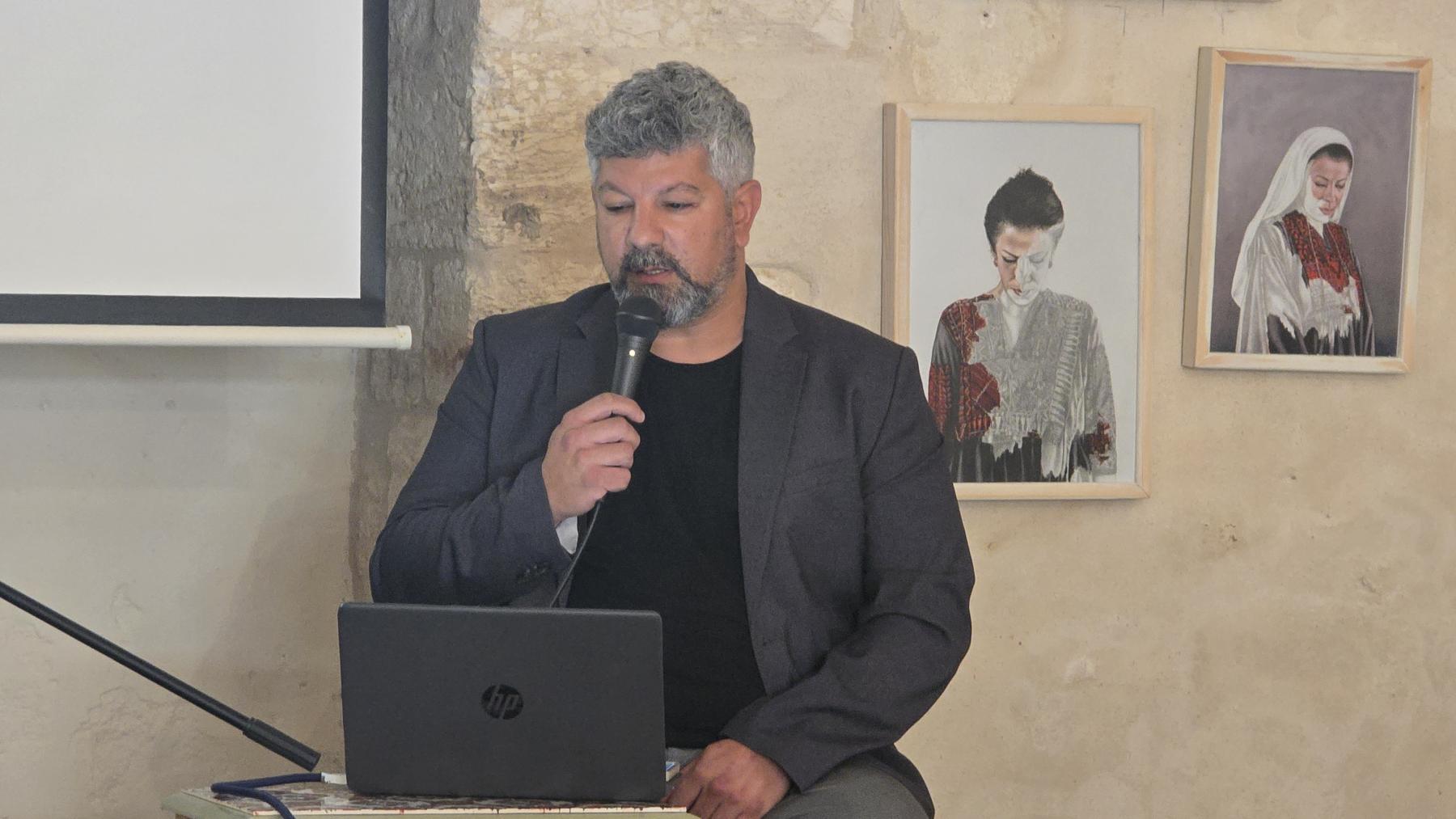
The fourth session, titled “Urbicide: Means of Representation, Ruins, and Practices of Reclaiming,” was moderated by Dr. Nadeem Karkabi, a lecturer at the University of Haifa. During the session, Layan Salameh, an architect and PhD candidate at McGill University, gave a presentation on maps and the camera as means of representation that have been used to control and appropriate Palestinian space. She also spoke about how Palestinians have repurposed these means in counter-practices that reclaim place, memory, and the collective imaginary.
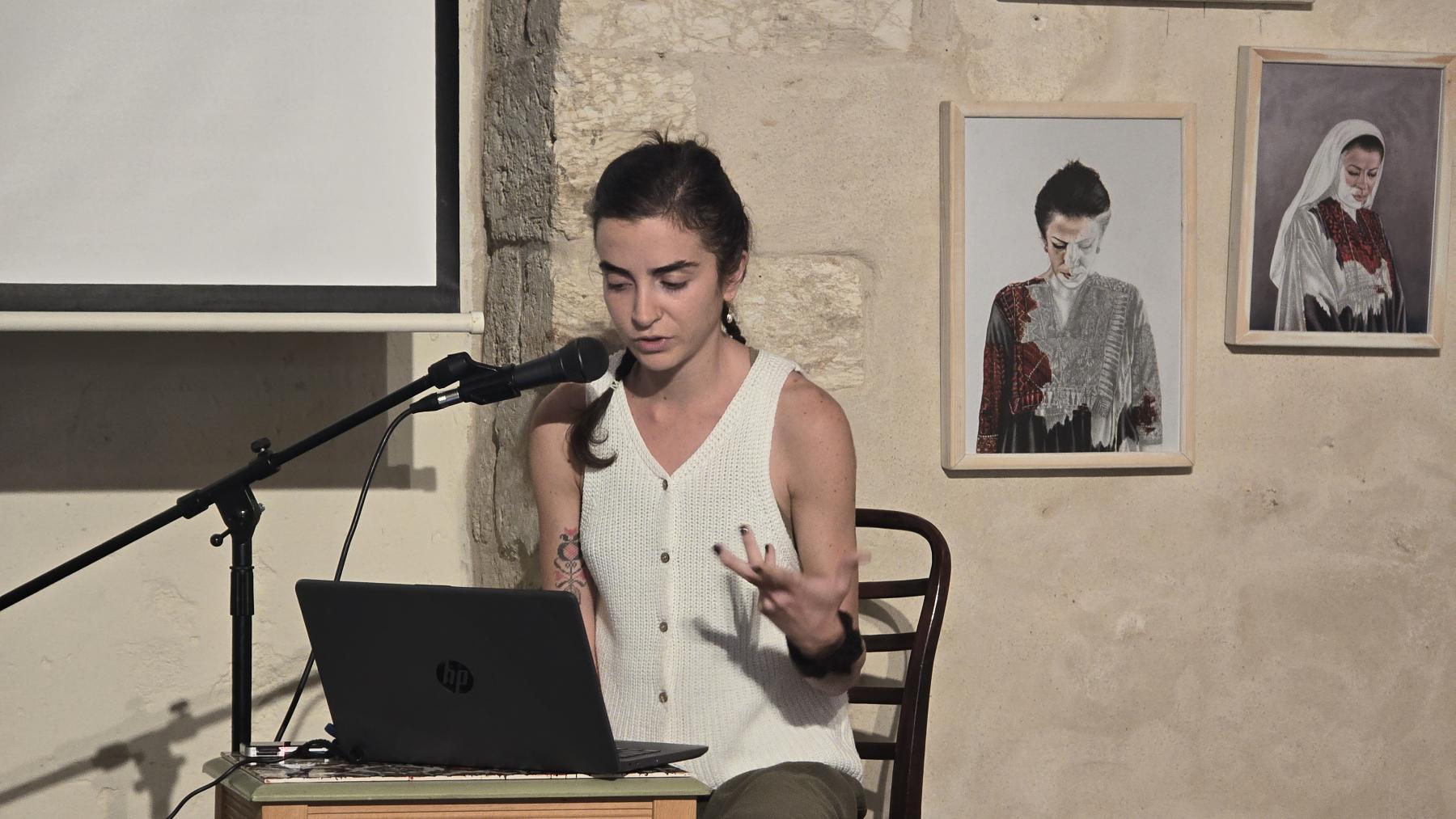
Dr. Orwa Switat, a postdoctoral research associate in Palestinian Studies at Brown University, gave a presentation on the ruins in Haifa as active spaces for producing return and reclamation in the face of colonial uprooting, rather than as silent relics of the Nakba. He discussed how ruins are transformed through daily practices into spaces that are restored, protected, and reimagined as living spaces for sustaining life, steadfastness, and resistance.
To watch a recording of the workshop, click here.

العنوان: